

_edited.jpg)
You May Also Like
_edited_edited.jpg)
Stop Feeling Sluggish: Ignite Your Energy with Vitamin D
Vitamin D acts like a hormone that supports immunity, cognition, and mood. Many people fall short, so sunlight is the most effective way to restore healthy levels. Skin tone, age, and daily habits influence how much your body produces, so your approach needs to be personalized. Supplements help when sun exposure is limited. Testing your levels keeps you on track. Building healthy vitamin D habits improves energy, stability, and overall quality of life.
Stop Feeling Sluggish: Ignite Your Energy with Vitamin D

Physical
December 4, 2025
Key Takeaways
Vitamin D is more than a vitamin, it’s a powerful hormone essential for your overall health. As Dr. Rhonda Patrick explains, "Vitamin D basically can enter what's called the cell nucleus of a cell. And it can basically recognize this little sequence of DNA... it basically binds to a receptor." It supports your immune system, brain function, and even mood regulation, making it a cornerstone of well-being.
About 70% of people have insufficient vitamin D levels, which can silently undermine health. Dr. Patrick notes,"About 70 percent of the U.S. population has inadequate vitamin D," emphasizing the widespread nature of deficiency.
Natural sunlight exposure is the most effective way to boost your vitamin D levels safely and sustainably. Experts recommend "5 to 15 minutes of midday sun exposure on arms and legs or face, 2-3 times weekly during spring to autumn," to produce sufficient vitamin D naturally.
Factors like skin pigmentation, sunscreen use, aging, and lifestyle habits affect how much vitamin D your body produces. Dr. Rhonda Patrick explains, "Melanin acts as a natural sunscreen... a 70-year-old produces only about 25% of what a 20-year-old does," underscoring the need to tailor vitamin D strategies.
Supplementation can be a helpful ally, especially during winter or for those with limited sun exposure, but it’s best combined with mindful lifestyle choices. Dr. Patrick advises, "Taking 4000 IU of vitamin D3 daily is safe and effective for most people to reach sufficient levels," and recommends testing to tailor supplementation. Testing your levels ensures you’re supporting your body just right.
Embracing the sunshine hormone is not just about adding years to your life-it’s about adding life to your years, with energy, resilience, and joy.
Disclaimer
This article is intended to share general information and ideas about vitamin D and health, and is not a substitute for professional medical, legal, financial, or other advice. Everyone’s health and life circumstances are unique, so what works well for one person may not be suitable for another. If you are considering making any significant changes based on what you read here, such as starting supplements, altering your sun exposure, or changing your lifestyle, we warmly encourage you to consult with a qualified healthcare professional who can provide personalized guidance tailored to your needs.
If you are currently undergoing medical treatment, have legal responsibilities, or are in any sensitive situation, please exercise extra caution and seek expert advice before applying any suggestions. Remember, kindness and respect are essential: please avoid pressuring or insisting that others follow the ideas shared in this article. Our goal is to offer helpful, evidence-informed information to support your well-being, but we cannot guarantee specific results or safety.
Thank you for approaching your health journey with care, curiosity, and compassion.
Article Content
Nourish Your Body with Vitamin D-Rich Foods and Thoughtful Supplementation
Support Vitamin D Function with Magnesium and Other Nutrients
Balance Sun Exposure with Skin Protection and Cancer Awareness
Integrate Holistic Lifestyle Habits to Support Vitamin D and Well-being
1. Embrace the Power of Safe Sunlight Exposure
Vitamin D synthesis begins in your skin when it is exposed to ultraviolet B (UVB) rays from sunlight. This natural process is your body’s most efficient way to produce vitamin D3, the active form that supports your immune system, bone health, and mood. However, the timing, duration, and amount of skin exposed are crucial to maximize benefits while minimizing risks.
For most people, 5 to 15 minutes of midday sun exposure on about 20-25% of the body (such as arms, legs, and face) two to three times per week is sufficient during spring, summer, and autumn. This exposure is roughly a quarter of the minimal erythemal dose (the amount of UV radiation that causes slight skin redness), which helps avoid sunburn while boosting vitamin D production. For example, a quick walk outside during lunch or a few minutes in your backyard can be enough to stimulate vitamin D synthesis.
Keep in mind that sunscreen with SPF 15 or higher can reduce vitamin D production by over 95%, so it’s beneficial to have a brief period of unprotected sun exposure before applying sunscreen. Older adults, whose skin produces about 25% of the vitamin D compared to younger adults, may need longer or more frequent exposure or consider supplementation to compensate.
"If working long shifts indoors (e.g., hospital staff), take breaks to get outside for sunlight exposure." Dr. Rhonda Patrick.This simple act of stepping outside can be one of the most powerful interventions for your health.
Action Step: Schedule short, mindful sun breaks during your week, aiming for midday exposure when UVB rays are strongest, and allow your skin to soak in the light before applying sun protection.




Let the sun’s gentle warmth awaken your body’s natural vitality as you prepare to nourish it further.
2. Understand and Honor Your Unique Skin and Lifestyle Factors
Your skin’s ability to produce vitamin D varies widely based on several personal factors:
Skin pigmentation: Melanin, the pigment that gives skin its color, acts as a natural sunscreen. People with darker skin require longer sun exposure to produce the same amount of vitamin D as those with lighter skin. For instance, someone with deep skin tones might need double or triple the sun exposure time to achieve adequate vitamin D levels.
Age: As we age, our skin’s capacity to synthesize vitamin D diminishes significantly. A 70-year-old produces only about 25% of the vitamin D that a 20-year-old does under the same sun exposure.
Geography and season: Living at higher latitudes or during winter months reduces UVB availability, making natural vitamin D synthesis challenging.
Clothing and glass: Covering most of your skin or being behind glass blocks UVB rays, preventing vitamin D production.
Recognizing these factors helps you tailor your vitamin D strategy realistically and compassionately, avoiding frustration and fostering empowerment.
"People with higher levels of vitamin D meant that they were out in the sun more. The people with low vitamin D levels were telling me these are people that were not getting outside into the sun." Dr. Rhonda Patrick.This reminds us that sometimes, the simplest lifestyle choices, like stepping outside, can profoundly impact our health.
Action Step: Reflect on your personal circumstances, skin tone, age, location, and lifestyle, and adjust your sun exposure goals accordingly. If natural sunlight is limited, consider safe supplementation or dietary sources.





With awareness of your unique needs, you step into a personalized path of wellness.
3. Nourish Your Body with Vitamin D-Rich Foods and Thoughtful Supplementation
While sunlight is the primary source of vitamin D, few foods naturally contain it. Incorporate vitamin D-rich options such as oily fish (salmon, mackerel), irradiated mushrooms, and fortified foods like milk, orange juice, and cereals into your diet. These foods provide a valuable boost, especially when sun exposure is limited.
Supplementation is a practical and effective way to maintain optimal vitamin D levels, particularly during winter, for older adults, people with darker skin, or those with limited sun exposure. The general recommendation for adults is 2,000 International Units (IU) daily, with some experts suggesting up to 4,000 IU daily as a safe upper limit. However, individual needs vary, especially for those with genetic differences affecting vitamin D metabolism, who may require higher doses.
Importantly, vitamin D3 (cholecalciferol) supplements are more effective than vitamin D2 (ergocalciferol) at raising and maintaining serum vitamin D levels.
"Vitamin D is unique among the vitamins because it gets converted into a steroid hormone." Dr. Rhonda Patrick.This highlights the profound biological impact vitamin D has on your body at the genetic level.
Action Step: Include vitamin D-rich foods regularly in your meals and consider a daily vitamin D3 supplement, especially during months with less sunlight. Consult your healthcare provider for personalized dosing and testing.

Fuel your body from within, combining nature’s gifts with mindful supplementation.
4. Monitor Your Vitamin D Status with Regular Testing
Vitamin D status is best assessed by measuring serum 25-hydroxyvitamin D [25(OH)D] levels through a simple blood test. This marker reflects your body’s vitamin D stores and helps guide supplementation and lifestyle adjustments.
Optimal levels are generally considered to be above 75-80 nmol/L (approximately 30 ng/mL), associated with lower risks of bone disease, autoimmune conditions, and certain cancers. Testing before and after supplementation ensures you reach and maintain these healthy levels without risking excess intake, which, although rare, can affect calcium metabolism.
Annual testing is especially important for at-risk groups such as older adults, people with darker skin, obese individuals, and those with limited sun exposure.
"Get personalized blood tests for vitamin D and omega-3 status; consider genetic testing for personalized nutrition." Dr. Rhonda Patrick. Knowing your numbers empowers you to take confident, informed steps toward vibrant health.
Action Step: Schedule a vitamin D blood test with your healthcare provider to establish your baseline and monitor progress, adjusting your sun exposure and supplementation accordingly.

Tracking your progress empowers you to take confident, informed steps toward vibrant health.
5. Boost Vitamin D Metabolism Through Regular Exercise
Exercise does more than strengthen muscles and improve cardiovascular health, it also enhances vitamin D metabolism. A single 60-minute session of moderate-intensity exercise can increase circulating 25(OH)D levels by about 10% and the active form, 1,25-dihydroxyvitamin D, by 35%.
Regular physical activity, especially during low sunlight periods like winter, helps maintain vitamin D levels even without weight loss. For example, a 10-week program involving treadmill walking, aerobic cycling, and high-intensity interval training (HIIT) helped overweight adults sustain active vitamin D levels, while those who remained sedentary experienced a decline.
Exercise also mobilizes vitamin D stored in fat tissue, which is particularly beneficial for individuals with obesity, a condition that impairs vitamin D bioavailability.
"Exercise is the best longevity 'drug'... The best exercise is the one you will consistently do." Dr. Rhonda Patrick.This encourages you to find joy and consistency in movement, no matter the form.
Action Step: Incorporate consistent moderate exercise into your routine, aim for at least 150 minutes per week, mixing aerobic activities and resistance training to support vitamin D metabolism and overall health.



Let movement be your ally in unlocking the full potential of the sunshine hormone.
6. Manage Weight to Enhance Vitamin D Availability
Vitamin D is fat-soluble, meaning it is stored in adipose (fat) tissue. In individuals with obesity, vitamin D can become sequestered in fat, reducing its availability for the body’s needs. This can contribute to deficiency despite adequate sun exposure or supplementation.
Weight loss, even modest amounts such as 10-15% of body weight, can release stored vitamin D back into circulation, improving serum levels and overall health.
"Vitamin D is readily stored in adipose tissue, preventing conversion into the active hormone form, and the activity of enzymes that participate in vitamin D synthesis is impaired in obese people." Holick, MF.
Action Step: If you carry excess weight, consider gradual, sustainable weight management strategies that include balanced nutrition and regular physical activity to improve your vitamin D status naturally.


By caring for your body holistically, you nurture the delicate balance of health within.
7. Support Vitamin D Function with Magnesium and Other Nutrients
Magnesium is a vital mineral that plays a critical role in activating vitamin D. It is required for the enzymatic reactions that convert vitamin D into its active hormone form, which then regulates gene expression and supports numerous physiological processes.
Unfortunately, about 50% of the U.S. population does not meet the recommended daily allowance (RDA) for magnesium, which can impair vitamin D metabolism and reduce its benefits.
"People with the highest magnesium levels have a 40% lower all-cause mortality and a 50% lower cancer mortality compared to people with the lowest magnesium levels." Dr. Rhonda Patrick.
Action Step: Ensure adequate magnesium intake through foods like leafy greens, nuts, seeds, and whole grains, or consider supplementation with bioavailable forms such as magnesium glycinate or citrate, especially if you are physically active.
Strengthen the foundation upon which vitamin D can build your health.
8. Balance Sun Exposure with Skin Protection and Cancer Awareness
While sunlight is essential for vitamin D production, excessive UV exposure increases the risk of skin damage and skin cancer. Striking a balance is key.
Aim for brief, regular sun exposure without sunscreen to stimulate vitamin D synthesis, then apply sunscreen or cover up to protect your skin for longer periods outdoors. Avoid sunburn at all costs, as it damages skin cells and increases cancer risk.
For those with high skin cancer risk or very sensitive skin, dietary vitamin D and supplementation become even more important.
"However, chronic excessive sun exposure increases skin cancer risk; balance is key." Holick, MF.

Action Step: Practice safe sun habits-enjoy short, unprotected sun exposure followed by protection measures, and consult a dermatologist if you have concerns about skin health.
Respect your skin’s needs as you bask in the healing light of the sun.
9. Cultivate a Compassionate Relationship with Yourself
Optimizing vitamin D and health is a journey that involves more than just physical steps-it requires kindness and patience with yourself. Life’s challenges, stress, and self-criticism can undermine your efforts and well-being.
Remember:
"You can only care for someone or for something if you know how care feels. If you don’t have love inside of you, how can you give it?" Shi Heng Yi.Start by nurturing self-compassion and acceptance. When facing setbacks or moments of self-doubt, pause and remind yourself that growth is a process. Avoid harsh self-judgment and instead practice gentle encouragement, just as you would for a dear friend.
Action Step: Incorporate daily affirmations or mindfulness practices that foster self-love and patience. Celebrate small victories and recognize your resilience.

By embracing yourself fully, you create the fertile ground for lasting health and happiness.
10. Integrate Holistic Lifestyle Habits to Support Vitamin D and Well-being
Optimizing vitamin D is part of a broader lifestyle that nurtures your whole being. Combine your vitamin D efforts with:
Balanced nutrition rich in micronutrients and phytochemicals.
Regular physical activity and movement.
Adequate sleep and stress management.
Spending time outdoors in natural environments to benefit from the full spectrum of sunlight, including infrared light, which supports mitochondrial health and reduces oxidative stress.
"Sunlight has far more benefits than just vitamin D. I supplement with vitamin D, but sunlight has many important effects on the body." Dr. Rhonda Patrick.
Action Step: Create a daily routine that integrates these pillars, fostering resilience and vitality from the inside out.
Embrace the sunshine hormone as a gateway to a fuller, healthier life.

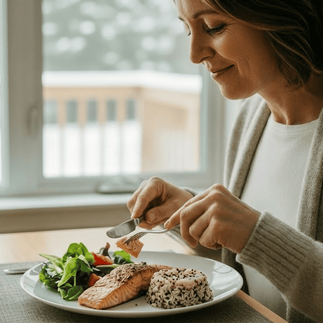


By following these steps with patience and self-compassion, you can naturally optimize your vitamin D levels, supporting your body’s intricate systems and enhancing your quality of life. Remember, this journey is uniquely yours-each small step is a powerful act of self-care and growth.
Conclusion and Gentle Call to Action
As we’ve explored together, vitamin D, the sunshine hormone, is a vital cornerstone of your health, influencing everything from your immune system to your mood and longevity. While the journey to optimal vitamin D levels may feel complex at times, remember that every small step you take counts. Whether it’s stepping outside for a few minutes of sunlight, adding a vitamin D-rich food to your plate, or simply considering a gentle supplement, progress is more important than perfection.
Life’s rhythms and your unique needs shape how you approach this journey. Aging, skin tone, lifestyle, and even genetics play a role, and embracing this individuality with kindness and patience is key. Celebrate your efforts, no matter how small, and know that nurturing your body with sunlight, movement, and mindful choices is a powerful act of self-care.
Take a moment to reflect on what feels doable for you right now. Maybe it’s opening a window to let in the sun’s warmth, going for a short walk outdoors, or scheduling a vitamin D test with your healthcare provider. These simple actions can ripple into profound benefits for your well-being.
If this journey has resonated with you, consider saving this guide for easy reference, sharing it with someone who might benefit, or leaving a comment to share your thoughts or questions. There’s no rush, just gentle encouragement to move forward at your own pace, with compassion and hope.
Your health is a lifelong conversation with yourself. Treat it with love, curiosity, and grace. The sunshine is waiting to support you.
Here’s to your radiant health and the bright days ahead.
References:
https://youtu.be/wQJlGHVmdrA?si=g_9QGQDV3dFw5F2y
https://www.foundmyfitness.com/topics/vitamin-d
https://www.hubermanlab.com/episode/using-light-sunlight-blue-light-and-red-light-to-optimize-health
https://ajcn.nutrition.org/article/S0002-9165(22)03767-4/fulltext
https://pmc.ncbi.nlm.nih.gov/articles/PMC3166406/
https://www.niams.nih.gov/health-topics/calcium-and-vitamin-d-important-bone-health