

_edited.jpg)
You May Also Like
_edited.jpg)
Say Goodbye to Stale Air - Welcome Freshness and Health with Indoor Plants
Indoor air can be more polluted than the outdoors, but plants offer a simple path to cleaner living. They absorb toxins, support beneficial microbes in the soil, and help balance humidity for easier breathing. High-performing plants like peace lilies and snake plants elevate both health and atmosphere. With consistent care, your indoor garden becomes a natural system that refreshes your home and supports your well-being.
Say Goodbye to Stale Air - Welcome Freshness and Health with Indoor Plants

Environmental
December 1, 2025
Key Takeaways
Breathe Cleaner, Live Healthier
Did you know that urban residents spend over 80% of their time indoors, often breathing air more polluted than outside? Yet, simple natural solutions like houseplants can transform your living space into a healthier, more vibrant environment.
Active Toxin Removal: Plants are natural air purifiers. They absorb harmful Volatile Organic Compounds (VOCs) like benzene and formaldehyde, which can cause headaches and respiratory issues, turning your home into a sanctuary of clean air.
Microbial Partnership: Microbes in plant soil work with plants to break down toxins. This powerful partnership enhances air purification beyond what plants alone can do, creating a natural, robust filter for your indoor environment.
Top-Tier Purifiers: Certain plants, like peace lilies and snake plants, are especially effective. As peace lilies “do wonders for your air” and snake plants “purify the air while you sleep,” they offer both beauty and significant health benefits (Gardening Glory, 2023).
Natural Humidity Regulation: Plants help regulate indoor humidity (ideally between 40-60%). By releasing moisture through transpiration, they prevent dry skin and respiratory irritation, making your home more comfortable, especially in dry seasons.
Maximizing Benefits: Incorporating quantity, not just variety, and caring for them properly maximizes benefits. Regularly cleaning leaves and using organic soil supports healthy microbial activity, ensuring your green companions thrive and keep your air fresh.
Bringing plants into your home is more than decoration, it’s a simple, nurturing step toward a healthier, happier life.
Disclaimer
This article is intended to share helpful information and inspiring ideas about using indoor plants to improve air quality and well-being. It is not professional medical, legal, financial, or other advice. Everyone’s situation is unique, and what works well for one person may not be suitable for another.
If you are considering making significant changes based on the content here, especially if you have existing health conditions, allergies, pets, children, legal responsibilities, or are currently under professional treatment, we kindly encourage you to consult with a qualified healthcare provider, veterinarian, or relevant expert before proceeding.
Please approach these ideas with kindness and respect for others’ choices. Avoid pressuring or forcing anyone to adopt these suggestions, as individual needs and circumstances vary widely.
While we aim to provide valuable insights, we cannot guarantee specific results or absolute safety. Your well-being is important, and informed, thoughtful decisions are the best way to create a healthier, happier indoor environment.
Article Content
Nurture the Roots, Care for Your Plants and Their Microbial Helpers
Multiply the Magic , Use Quantity and Placement for a Green Network
Optimize the Environment , Harness Light, Ventilation, and Monitoring
Maintain and Monitor , Cultivate Lasting Benefits and Reduce Pollutants
Mix and Match, Create a Diverse Plant Collection for Comprehensive Air Purification
Connect with Your Green Space , Cultivate Mindfulness and Well-being
Breathing New Life Into Your Home: A Gentle Invitation
Have you ever noticed how the air inside your home can feel heavy, dry, or just... stale? It’s a common struggle, especially when we spend so much time indoors surrounded by furniture, cleaning products, and electronics that quietly pollute the air we breathe. You might find yourself battling headaches, dry skin, or that nagging feeling of stuffiness without knowing why.
This is where the magic of indoor plants comes in. Imagine turning your living space into a natural oasis that not only looks beautiful but actively cleanses the air, lifts your mood, and even helps you breathe easier at night. It’s time to stop relying solely on artificial air purifiers or ignoring the quality of your indoor air. Instead, embrace the simple, powerful benefits of houseplants.
In this journey, you’ll learn why it’s important to stop overlooking the air you breathe indoors, stop neglecting the care of your plants, and stop thinking that fresh air is only found outside. With a few green friends by your side, you can create a healthier, more vibrant home that supports your well-being every day.
Step-by-Step Guide to Transform Your Indoor Air with Plants
1: Welcome Nature In , Choose Your Green Allies
What It Means and Why It Matters
The first step in your journey to cleaner indoor air is selecting the right plants , your green allies. Not all plants purify air equally; some are natural champions at filtering harmful toxins like benzene, formaldehyde, and carbon monoxide. Choosing plants that thrive indoors and have proven air-purifying abilities ensures your effort will be effective and rewarding. This step is about inviting nature’s quiet healers into your space, setting the foundation for a healthier home and a happier you.
As Gardening Glory beautifully puts it, “House plants that don’t just look beautiful, but can actually help you breathe easier” are true “powerhouse plants that naturally filter the air, making it cleaner and healthier for you and your family” (Gardening Glory, 2023).
Real-Life Examples
A friend places a peace lily in her living room, noticing how it not only beautifies the space but also helps with the dry air during winter. After struggling with itchy winter skin, she noted a measurable comfort increase as the plant's transpiration raised the local humidity.
A colleague keeps snake plants in the bedroom, benefiting from their unique ability to release oxygen at night, which, by improving sleep quality, leads to better daytime focus.
Action Step
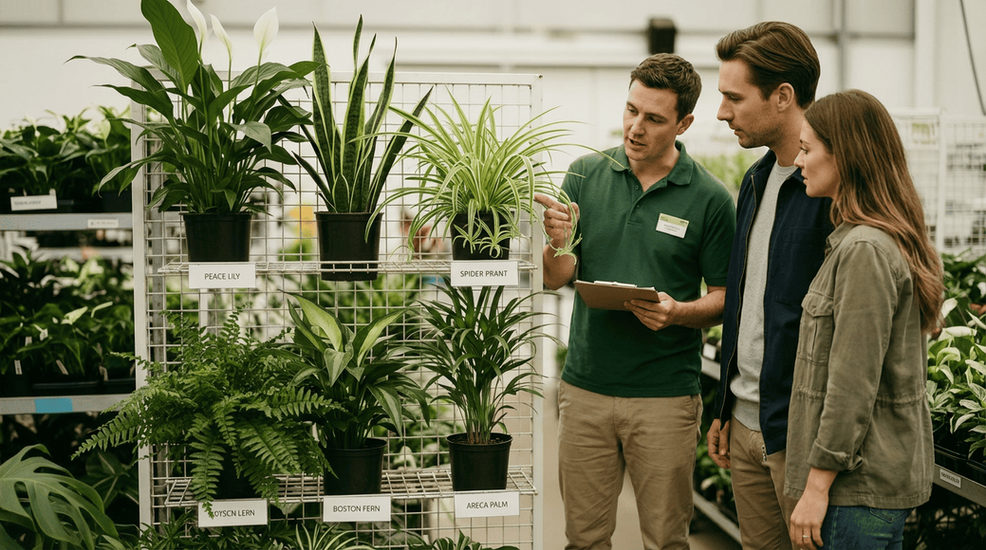
Research and select plants known for air purification: Start with peace lilies, snake plants, spider plants, Boston ferns, and Areca palms. These are widely recognized for their ability to remove toxins and regulate humidity.
Consider your environment: Assess the light levels and space in your home. For low-light areas, snake plants and pothos are excellent choices. For brighter spots, Boston ferns and Areca palms thrive.
Visit a local nursery or order online: Choose healthy plants with vibrant leaves and no signs of pests or disease.
Prepare your space: Find spots where plants can receive appropriate light and won’t be disturbed.
Visualize the impact: Imagine the fresh, clean air and the calming green presence enhancing your daily life.
By carefully choosing your plants, you set the stage for a natural air purification system that works silently but powerfully.



“Every great journey begins with a single step , and a single leaf.”
2: Nurture the Roots , Care for Your Plants and Their Microbial Helpers
What It Means and Why It Matters
Plants don’t work alone; the soil they grow in is teeming with beneficial microorganisms that metabolize airborne toxins, enhancing the plant’s ability to purify air. Caring for your plants means nurturing this symbiotic relationship. Healthy soil supports healthy plants, which in turn clean your air more effectively. This step is about embracing responsibility and connection , your care directly influences the well-being of your green allies and your indoor environment. Optimizing the water quality used for irrigation is essential, as tap water contaminants can stress the plant and inhibit its air-purifying function.
The European Wilderness Society explains, “Microorganisms in the soil metabolize airborne toxins, breaking them down into substances that plants can use for growth. This symbiotic relationship enhances the plant’s ability to clean indoor air effectively” (European Wilderness Society, 2025).
Real-Life Examples
A neighbor regularly waters her spider plants and uses organic soil, noticing they grow lush and vibrant, and the air feels fresher. This deliberate use of organic soil has been observed to support a more active, toxin-degrading microbial population.
An office worker cleans the leaves of his pothos weekly, preventing dust buildup and allowing the plant to breathe and filter air efficiently, leading to a noticeable improvement in air quality.
Action Step
Use organic, nutrient-rich soil: When potting or repotting, choose organic soil to support microbial life. Avoid synthetic fertilizers that can harm these microbes.
Water mindfully: Keep soil moist but not waterlogged. Overwatering can drown roots and kill beneficial microbes; underwatering stresses the plant.
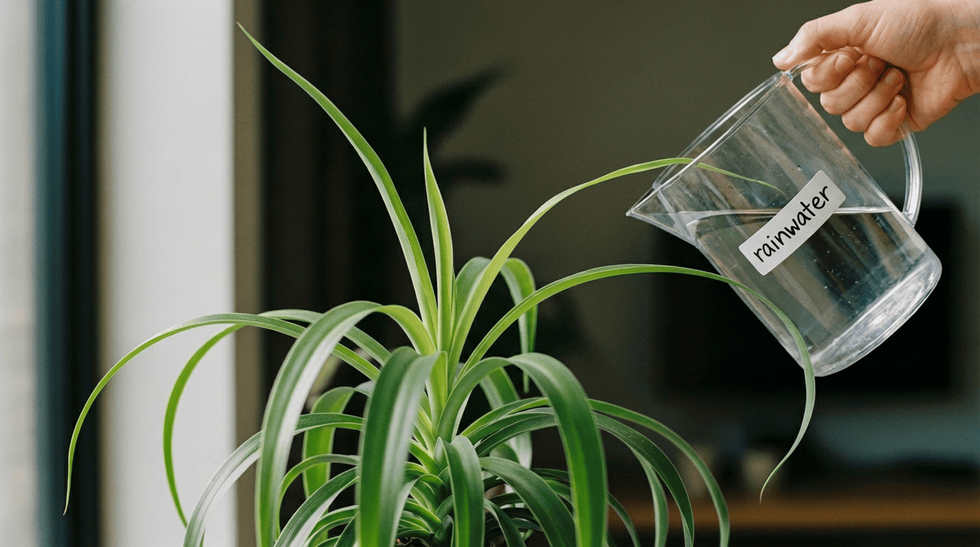
Optimize water quality: Tap water often contains chlorine and fluoride. Chlorine will dissipate if water is left out overnight, but fluoride can build up in the soil and burn the tips of sensitive plants (like spider plants and dracaena). For these plants, consider using rainwater or distilled water to eliminate mineral and chemical buildup, ensuring the plant dedicates its energy to growth and air purification, not stress defense.
Clean leaves regularly: Dust blocks the pores through which plants absorb toxins. Gently wipe leaves with a damp cloth weekly.
Monitor plant health: Look for signs of stress like yellowing leaves or drooping, and adjust care accordingly.
Add natural boosters: Occasionally, add compost tea or natural amendments to enrich soil life.
By nurturing the roots and soil, you empower your plants to be the best air purifiers they can be.


“Strong roots grow vibrant leaves , and vibrant leaves breathe life into your home.”
3: Multiply the Magic , Use Quantity and Placement for a Green Network
What It Means and Why It Matters
One plant can help, but multiple plants create a network of air purification, amplifying the benefits. This step is about expanding your green family to cover more space and tackle a wider range of pollutants, recognizing that quantity, not just variety, is key to achieving a significant air-cleaning effect. A diverse collection of plants also balances humidity and oxygen levels, creating a more comfortable and healthier indoor climate. It’s a joyful process of growth , both for your plants and your well-being.
Scientific research confirms that “using plants to reduce indoor air pollution can save up to 10–20% of the energy loads from ventilation and air conditioning” (Bui et al., 2023, p. 1).
Real-Life Examples
A family adds several Boston ferns and Areca palms to their living room, noticing the air feels less dry and fresher during winter months, allowing them to reduce the use of their mechanical humidifier.
A student places spider plants and snake plants in her bedroom and study area, helping her breathe easier and focus better, reporting a reduction in allergy symptoms often triggered by dust and indoor pollutants.
Action Step (Quantity and Zoning)
Assess your space and quantity needs: For a normal room (10–12 m²), aim for 3–5 medium plants, or 1 big + 2 medium ones. This density creates a small natural “air zone.”
Create a “clean air corner:” For enhanced local purification, sit near a corner with a potent combo such as 1 Areca Palm, 1 Boston Fern, and 1 Pothos.
Consider the bedroom: For softer nighttime air, place a combination like 1 Snake Plant, 1 Pothos, and 1 small Areca near the bed.
Place plants where air naturally flows: Position them near windows, corners with natural breeze, hallways, or balconies.
Place plants near windows with indirect light: This position improves airflow and helps the plants work better by optimizing photosynthesis.
Building a green network transforms your home into a living, breathing ecosystem of health.


“Together, leaves whisper a cleaner, fresher story.”
4: Optimize the Environment , Harness Light, Ventilation, and Monitoring
What It Means and Why It Matters
The effectiveness of plants in removing indoor air pollutants and regulating humidity is closely linked to the amount and quality of light they receive. Light is essential for photosynthesis, the process by which they absorb carbon dioxide and release oxygen. Furthermore, indoor air quality often suffers from dry conditions, which plants naturally mitigate through transpiration. Integrating plant care with smart ventilation practices and environmental monitoring is essential to remove stubborn pollutants, cycle fresh air into your home, and prevent humidity-related issues like mold.
As Huong-Thi Bui et al. (2023) explain, “Light intensity, temperature, and humidity can affect the photosynthetic rate of plants, thereby influencing their ability to reduce air pollution” (p. 10). Additionally, Bandehali et al. (2021) found that “plants raise humidity by about 40 to 80%,” with one study showing an increase of more than 50% in plant-containing chambers (Bui et al., 2023, p. 12). Maintaining humidity at 40–60% is crucial for maximizing air quality and comfort.
Real-Life Examples
A homeowner places snake plants near a north-facing window with filtered light, allowing them to thrive without the direct sun that could scorch their leaves, thereby sustaining optimal air filtering capacity over time.
A family consistently uses short cross-ventilation bursts after cooking, immediately noticing how the fresh air mixes with the humidity from their Boston ferns, preventing moisture buildup while expelling cooking odors.
Action Step (Light and Placement)
Assess your indoor lighting: Identify areas with bright indirect light, low light, and direct sunlight.
Match plants to light conditions: For low-light areas, choose hardy plants like snake plants and pothos. For brighter spots, opt for Boston ferns or Areca palms.
Rotate plants regularly: Turn pots every week or two to expose all leaves to light, encouraging balanced growth.
Use supplemental lighting if needed: In dim rooms, consider grow lights to support photosynthesis, especially during winter months.
Monitor plant response: Watch for signs of too much or too little light, such as yellowing or drooping leaves, and adjust placement accordingly.
Action Step (Ventilation and Monitoring)
Monitor humidity: Use a hygrometer to track humidity levels, aiming for 40–60% for optimal comfort and mold prevention.
Monitor pollutants: Consider a simple Air Quality Monitor (AQM) to track VOCs or particulate matter (PM2.5) and see the immediate effectiveness of your plants and ventilation.
Use short ventilation bursts: Open windows for 5–10 minutes, 2–3 times a day (morning and evening are best). This replaces stale air without bringing in too much dust.
Create cross-ventilation: Open two opposite windows or a door + window for just 5 minutes to refresh most of the indoor air quickly.
Ventilate after plant care: Ventilate right after watering or misting your plants. This mixes the fresh humidity with new air and avoids overly humid pockets, which can lead to mold.
Avoid peak pollution times: Avoid ventilating during peak traffic or windy hours. Choose moments when the air feels cooler and cleaner.
Maintain temperature: Keep a small window slightly open if your home gets hot. A tiny opening + the humidity of your plants keeps the air soft and breathable.


“Light fuels life , and Nature’s breath refreshes the air and your soul.”
5: Maintain and Monitor , Cultivate Lasting Benefits and Reduce Pollutants
What It Means and Why It Matters
Plants are living beings that need ongoing care to continue their air-purifying work. Dust and grime can block the pores on plant leaves, reducing their ability to absorb toxins and perform photosynthesis. To maximize the air quality benefits provided by plants, one must also reduce the introduction of common indoor pollutants from household activities and products, and actively manage allergens and particulate matter (PM2.5) which plants cannot fully remove.
9NEWS reminds us that “Spider plants are great for filtering out toxins and harmful chemicals from the air and can be easily propagated, allowing you to buy only one in your lifetime” (9NEWS, 2025). This underscores the value of maintaining healthy, self-propagating plants for continuous air purification.
Real-Life Examples
A homeowner sets a weekly schedule to water, clean, and check her plants, enjoying the ritual and the fresh air it brings. This routine has been key to preventing pest infestations and sustaining vibrant growth.
An office manager schedules monthly plant care sessions, including watering, pruning, and leaf cleaning, resulting in a visibly fresher workspace and documented higher air quality readings after eliminating the use of scented air fresheners and implementing a HEPA filter.
Action Step (Plant Care)
Create a care routine: Dedicate specific days for watering, leaf cleaning, and soil checks.
Dust leaves gently: Use a soft, damp cloth or sponge to wipe leaves weekly, removing dust without damaging the plant.
Mist the leaves (only certain plants): Especially palms and ferns. It increases humidity and removes dust.
Keep soil clean and dry on top: Avoid mold by watering in the morning and removing the top layer if it turns white.
Prune dead or yellow leaves: Regularly trim to encourage new growth and prevent disease.
Fertilize occasionally: Use organic fertilizers to nourish plants and support microbial soil life.
Inspect for pests: Look for signs of insects or disease and treat promptly with natural remedies if needed.
Action Step (Reducing Indoor Pollutants and Allergens)
Avoid strong scents: Reduce or eliminate the use of strong scented candles and sprays, as these are often sources of VOCs.
Complement with HEPA: Consider using a portable HEPA air filter to remove fine particulate matter (PM2.5), pet dander, and dust, which complements the plants' focus on VOCs and humidity.
Use kitchen ventilation: Always use your kitchen extractor fan when cooking to remove airborne particles and gases.
Wash fabrics regularly: Wash bedding weekly and periodically clean items that trap dander and dust (curtains, rugs) to minimize common allergens.
Clean with moisture: Clean dust with a damp cloth instead of dry dusting, which simply moves particles into the air.
Consistent care and pollutant reduction nurture your plants’ health and maximizes their ability to cleanse your indoor air.
Plant Power Your Air Purification



“Care is the breath that keeps life flourishing.”
6: Mix and Match , Create a Diverse Plant Collection for Comprehensive Air Purification
What It Means and Why It Matters
Different plants specialize in removing different pollutants and offer varied benefits like oxygen release, humidity control, and allergen reduction. A diverse collection ensures a broader spectrum of air purification and a more resilient indoor ecosystem. This step encourages embracing variety to maximize health benefits and aesthetic appeal, creating a layered defense against the common spectrum of indoor toxins, combined with the power of quantity.
The European Wilderness Society notes that “some of the best plants for improving indoor air quality include the Areca Palm, Snake Plant, Spider Plant, Peace Lily, and Boston Fern, which can help remove toxins and regulate humidity levels” (European Wilderness Society, 2025).\
Key Air-Purifying Plant Comparison Table
Plant Species | Primary Pollutant Removal | Secondary Benefit | Ideal Light Condition |
Snake Plant (Sansevieria) | Formaldehyde, Benzene, Trichloroethylene | Releases Oxygen at Night | Low to Bright Indirect |
Peace Lily (Spathiphyllum) | Ammonia, Benzene, Acetone | High Humidity Regulation | Low to Medium Indirect |
Spider Plant (Chlorophytum) | Carbon Monoxide, Formaldehyde, Xylene | Easy to Propagate (Air Cleaners) | Bright Indirect |
Boston Fern (Nephrolepis) | Formaldehyde, Xylene | Significant Transpiration/Humidity | Bright, Filtered |
Areca Palm (Dypsis lutescens) | Toluene, Formaldehyde | Significant Humidity Boost | Bright Indirect |
Real-Life Examples
A homeowner combines spider plants, peace lilies, and rubber plants to target carbon monoxide, formaldehyde, and other toxins simultaneously, effectively creating a customized, whole-house filtration system.
An office installs a green wall featuring multiple species, not only enhancing air quality but also creating a vibrant, calming atmosphere that contributes to documented improvements in employee well-being and stress reduction.
Plants to Approach with Caution (Harmful and Toxic Species)
Toxicity in houseplants usually means they contain irritating substances, like insoluble calcium oxalate crystals (causing pain/swelling), or potent toxins that cause systemic damage (e.g., liver or kidney failure). If you have curious pets or toddlers, always prioritize non-toxic options.
Plant Name (Common) | Scientific Name | Primary Risk | Safety Precaution |
Sago Palm | Cycas revoluta | Extremely High Risk (Liver Toxin). Fatal if ingested by pets (especially dogs). | Avoid entirely in pet-friendly homes. |
True Lilies (Easter, Tiger, Asiatic) | Lilium spp. | Extreme Cat Toxicity. Causes fatal kidney failure. | Never bring into a home with cats. |
Dieffenbachia (Dumb Cane) | Dieffenbachia spp. | High Irritant. Causes severe oral swelling, potential temporary loss of speech. | Place high up; avoid in homes with small children. |
Pothos (Devil's Ivy) | Epipremnum aureum | Mildly Toxic (Oxalates). Causes oral irritation/vomiting. | Use hanging baskets where trailing vines are inaccessible. |
Philodendron | Various species | Mildly Toxic (Oxalates). Causes oral irritation/vomiting. | Use hanging baskets or elevated surfaces. |
Non-Toxic Air Purifiers (Pet and Child-Safe Alternatives)
For a safe environment, prioritize these plants which are highly effective at air purification and generally listed as non-toxic by organizations like the ASPCA:
Spider Plant (Chlorophytum comosum)
Boston Fern (Nephrolepis exaltata)
Areca Palm (Dypsis lutescens)
Bamboo Palm (Chamaedorea seifrizii)
African Violet (Saintpaulia ionantha)
Action Step
Research plant functions: Learn which plants remove specific toxins or allergens and which regulate humidity or oxygen.
Select complementary species: Combine plants like snake plants (oxygen at night), spider plants (carbon monoxide removal), and English ivy (allergen reduction).
Consider allergen caution: Note that plants with high pollen counts or fuzzy leaves can sometimes irritate sensitive individuals; focus on low-pollen foliage plants like Pothos and Snake Plants.
Prioritize safety: Before purchasing, verify the plant's toxicity level if you have pets or children, and commit to placing any mildly toxic plant completely out of reach (e.g., using secure shelves or high hanging planters).
Plan your space: Arrange plants to optimize their individual strengths and create visual harmony.
Rotate and refresh: Introduce new species periodically to maintain diversity and interest.
Observe effects: Notice improvements in air freshness, allergy symptoms, and overall comfort.
A diverse plant family creates a powerful, natural air purification system tailored to your needs.

“Variety is the spice of life , and the secret to pure air.”
7: Share the Green Joy , Inspire and Expand Your Impact
What It Means and Why It Matters
Your journey doesn’t have to stop at your doorstep. Sharing your knowledge and passion for indoor plants can inspire others to improve their air quality and well-being. This step is about community and legacy , spreading the green joy multiplies the benefits for everyone. It’s a beautiful way to connect, uplift, and create healthier environments beyond your own home, leveraging the principle of collective action.
The World Health Organization highlights the importance of collective action, stating that “health professionals and organizations are uniquely positioned to influence climate policies by highlighting the direct and immediate health benefits of mitigation efforts” (WHO, 2024, p. 8). This applies directly to sharing the immediate health benefits of improved indoor air quality.
Real-Life Examples
A friend gifts a snake plant to a neighbor, sparking a shared interest in indoor gardening and cleaner air, which resulted in a neighborhood-wide plant exchange program.
A teacher introduces classroom plants, improving air quality and creating a calming learning space for students, noting a subsequent reduction in restless behavior potentially linked to improved environmental quality.
Action Step
Share your story: Talk about how plants have improved your home and health with friends and family.
Gift plants or cuttings: Propagate easy-to-grow plants like spider plants or pothos to give as thoughtful, healthful gifts.
Host a plant care session: Teach others how to select and care for air-purifying plants.
Use social media: Post photos and tips to inspire a wider audience.
Join or start a community group: Connect with local plant lovers to exchange plants, advice, and support.
By sharing your green journey, you become a catalyst for healthier, happier spaces everywhere.

“A single leaf shared can grow into a forest of well-being.”
8: Connect with Your Green Space , Cultivate Mindfulness and Well-being
What It Means and Why It Matters
Caring for plants is not only about air quality but also about nurturing your mental and emotional health. Engaging with your indoor garden fosters mindfulness, reduces stress, and enhances your connection to nature. This point invites you to embrace your plants as companions on your wellness journey, using the simple acts of tending as a form of active meditation.
Gardening Glory shares, “Caring for plants is a loving act that nurtures both plants and your health” (Gardening Glory, 2023). This intrinsic link between horticultural therapy and mental health is a profound, often overlooked benefit.
Real-Life Examples
A busy professional finds peace in daily watering and leaf care, using it as a moment of calm amid a hectic schedule, reporting a significant drop in evening stress levels compared to non-gardening days.
A family involves children in plant care, teaching responsibility and fostering a love for nature, creating a shared, productive activity that strengthens family bonds.
Action Step
Create a daily ritual: Dedicate a few minutes each day to tend your plants with full attention.
Practice mindfulness: Observe the textures, colors, and growth of your plants as a grounding exercise.
Journal your experience: Note changes in your mood, energy, and air quality perceptions.
Share your journey: Connect with others through plant groups or social media to exchange tips and inspiration.
Celebrate growth: Acknowledge the life you nurture and the fresh air you breathe.
Your green space becomes a sanctuary for both body and mind, enriching your life beyond air purification.




“In every leaf, a moment of peace awaits.”
The Breath of Change: A Gentle Conclusion
You have journeyed through the steps of welcoming nature back into your home, from selecting your green allies to nurturing the vital microbial life in the soil and optimizing light for maximum purification. The key lesson is this: transforming your indoor air quality is not a daunting task, but a series of small, intentional acts of care.
Remember that the goal is not overnight perfection, but steady, sustained progress. You don't need a house filled with tropical foliage immediately; you need one healthy plant in a key location, like a Snake Plant in your bedroom or a Peace Lily in your living area. Focus on the practical, powerful steps you’ve learned: cleaning the leaves with a damp cloth, using short ventilation bursts, and appreciating the quiet, tireless work of your green companions and complementary tools like a hygrometer.
The air you breathe directly influences your well-being, mood, and focus. By integrating plants into your life, you are choosing a path of self-compassion and hope, creating a living ecosystem that nurtures you in return. You are not just decorating a room; you are cultivating a healthier, fresher sanctuary.
Your Gentle Call to Action
You hold the knowledge to create a better indoor environment. We invite you to take the smallest next step, without any pressure:
Reflect: Look around your immediate space and simply identify one spot where a plant could thrive.
Choose: Think of one air-purifying plant that suits that spot (e.g., a Pothos for a high shelf or a Snake Plant for the bedroom).
Take Action (or Not): Perhaps you’ll save this guide for later, share it with a friend who needs a breath of fresh air, or simply commit to cleaning the leaves of a plant you already own tomorrow.
Embrace this journey with kindness toward yourself. Every leaf wiped, every mindful watering session, and every new green addition is a meaningful step toward a fresher, more vibrant life.
Your well-being is worth this gentle effort.
References
Bui, H.-T., Park, J., Lee, E., Cho, W., Kwon, H., & Park, B.-J. (2023). Assessment of the air cleaning performance and humidity and temperature control by five evergreen woody plants. Atmosphere, 14(12), 1819. https://doi.org/10.3390/atmos14121819
European Wilderness Society. (2025, March 4). The science behind why plants improve indoor air quality. https://wilderness-society.org/the-science-behind-why-plants-improve-indoor-air-quality/
9NEWS. (2025, February 20). Transform your home with low-maintenance air-purifying plants [Video]. YouTube. https://www.youtube.com/watch?v=iwOl9oBsR5M
Gardening Glory. (2025, April 22). 10 houseplants for better indoor air quality to reduce respiratory problems [Video]. YouTube. https://www.youtube.com/watch?v=9EofF_wdNTY
World Health Organization. (2024). Health and air quality co-benefits of climate change mitigation: Technical brief. https://iris.who.int/handle/10665/376283
American Society for the Prevention of Cruelty to Animals (ASPCA). (n.d.). Toxic and Non-Toxic Plants. Retrieved from https://www.aspca.org/pet-care/animal-poison-control/toxic-and-non-toxic-plants/search.