


You May Also Like

The 3-Ingredient Rule: How to Instantly Spot If Your 'Healthy' Food Is Actually Dessert
Learn how hidden sugars affect your health and how simple, mindful choices can help you break free. From spotting sugar on labels to choosing real, unprocessed foods, these insights empower you to take control of your well-being—one small step at a time.
The 3-Ingredient Rule: How to Instantly Spot If Your 'Healthy' Food Is Actually Dessert

Physical
November 10, 2025
Key Takeaways
If any food has sugar in the first three ingredients, it's dessert. As Dr. Robert Lustig reminds us, "If a food has a label, it's a warning label, If any food has sugar in the first three ingredients, it's dessert." This means many products we think are healthy may actually be loaded with sugar, impacting your health more than you realize.
Sugar addiction is real, but you can overcome it with knowledge and support. Jessie Inchauspé shares, "Stop being a sugar addict and also stop denying it." Recognizing this is the first step toward reclaiming your well-being.
Reading labels is not just a chore, it’s a powerful act of self-care. Dr. Lustig emphasizes that the food industry uses over 262 different names for sugar to hide it in plain sight, so learning to spot these is crucial for your health.
Choosing whole, unprocessed foods is your best strategy. As Robert Lustig advises, focusing on real foods without added sugars helps you avoid the metabolic chaos caused by hidden sugars.
Small changes lead to big victories. Cutting back on sugary drinks and processed snacks can boost your energy, mood, and long-term well-being, Jessie Inchauspé encourages us by saying, "When you don't find added sugar, you win!" Every mindful choice is a step toward a healthier, happier you.
Taking control of what you eat is not about perfection—it’s about empowerment, one label at a time.
Disclaimer
This article is intended to share helpful information and ideas about managing blood sugar and overall health. It is not a substitute for professional medical, legal, financial, or other advice. Everyone’s situation is unique, and what works well for one person may not be suitable for another. If you are considering making significant changes based on this information, we warmly encourage you to consult with a qualified healthcare provider or appropriate professional to ensure those changes are safe and right for you.
If you are currently undergoing treatment, have legal responsibilities, or face other sensitive circumstances, please exercise extra caution and seek personalized guidance before applying any suggestions.
We also kindly ask that you approach this information with kindness and respect toward yourself and others. Please avoid pressuring or forcing anyone to adopt these ideas, as each person’s journey is personal.
Our goal is to provide supportive, informative content to empower you on your path to better health, but we cannot guarantee specific results or outcomes. Thank you for reading with an open heart and mind.
Article Content
Read Labels Like a Pro: Use Nutrition Facts and Ingredient Lists Together
Monitor Portion Sizes and Be Mindful of Starch-to-Sugar Conversion
A Warm Welcome to Your Journey
Have you ever felt like no matter how hard you try, sugar seems to sneak back into your diet? Maybe you’ve cut out obvious sweets like candy and soda, yet you still struggle with cravings, energy slumps, or that nagging feeling that your health isn’t quite where you want it to be. You’re not alone. Hidden sugars lurk in so many everyday foods, quietly undermining our best intentions.
Understanding and managing added sugars is one of the most powerful ways to transform your health and happiness. When you learn to recognize where sugar hides and how it affects your body, you open the door to more stable energy, clearer thinking, and a lighter, more vibrant you. This isn’t about strict diets or deprivation, it’s about gentle awareness and making choices that honor your body’s needs.
To start this journey, consider stopping these common habits that keep sugar in the driver’s seat:
Stop assuming “natural” or “healthy” labels mean low sugar.
Stop relying on sugary drinks as a quick energy fix.
Stop ignoring ingredient lists that hide multiple types of added sugars.
Together, we’ll explore how to navigate these challenges with kindness and confidence, so you can enjoy food and life fully, without feeling trapped by sugar’s pull.
Your Roadmap to Uncovering and Reducing Hidden Sugars
1. Recognize Sugar’s Many Disguises: Learn the Hidden Names
Sugar is a master of disguise. It rarely appears simply as “sugar” on ingredient lists. Instead, it hides behind over 50 different names, some familiar, others less so. These include terms like high fructose corn syrup (HFCS), agave nectar, brown rice syrup, dextrose, evaporated cane juice, molasses, and many more. Even names that sound wholesome, such as “organic evaporated cane juice,” are chemically just sugar in disguise.
Robert Lustig powerfully reminds us, “Sugar is playing hide and seek with you. Like someone in the witness protection program, sugar is hidden in places you'd least suspect.” This is why it’s so easy to consume more sugar than we realize, even when we think we’re making healthy choices.
Imagine picking up a bottle of spaghetti sauce or a carton of soy milk, expecting a savory or simple product, only to find multiple types of sugar buried deep in the ingredients. This is common and can easily add up to a significant sugar load without you realizing it.
Action Step: Print or save a cheat sheet of common sugar aliases and keep it handy when grocery shopping or reading labels. Make it a habit to scan ingredient lists for these names, especially in processed foods, condiments, and beverages.


Awareness is the first step toward freedom, once you see sugar’s many faces, you can start to reclaim your choices.
2. Read Labels Like a Pro: Use Nutrition Facts and Ingredient Lists Together
Nutrition labels have improved, now often showing “Added Sugars” separately under total sugars. This makes it easier to see how much sugar has been added beyond what naturally occurs in the food. However, not all products have updated labels yet, so the ingredient list remains crucial.
Dr. Robert Lustig warns, “If a food has a label, it's a warning label. And if any food has sugar in the first three ingredients, it's dessert.” This decisive insight helps us shift perspective and treat sugary processed foods with the caution they deserve .
Look for added sugars near the top of the ingredient list, which indicates a higher amount. Also, be cautious when you see multiple types of sugars listed separately; manufacturers sometimes do this to keep each sugar’s quantity low on the list, masking the true total sugar content.
For example, a flavored yogurt might list cane sugar, honey, and fruit juice concentrate separately. Individually, they may seem small, but together they can add up to a large sugar load.
Action Step: When shopping, compare similar products and choose those with the lowest added sugar content. Pay attention to serving sizes to understand how much sugar you’re actually consuming.

Mastering label reading empowers you to make informed choices that honor your health.
3. Choose Whole, Unprocessed Foods as Your Foundation
One of the simplest and most effective ways to avoid hidden sugars is to build your meals around whole, unprocessed foods. Vegetables, fresh fruits, eggs, meats, fish, and raw nuts naturally contain little to no added sugar. These foods nourish your body with essential vitamins, minerals, fiber, and protein without the hidden pitfalls.
Dr. Uma Naidu from Harvard Medical School reminds us, “The sugar that occurs naturally in food really has no restrictions... it's part of a healthy diet.” This distinction is crucial to avoid unnecessary guilt and focus on nourishing your body .
For instance, swapping a packaged snack bar (often loaded with sugars and starches) for a handful of raw nuts and a piece of fresh fruit can stabilize your energy and reduce cravings.
Action Step: Plan your meals and snacks to minimize reliance on packaged foods. Focus on fresh, whole ingredients and experiment with simple recipes that highlight natural flavors.


Choosing real food is a loving act toward your body and a powerful step away from hidden sugars.
4. Be Mindful of Sugary Drinks: Water Is Your Best Friend
Sugary beverages are among the biggest culprits for hidden sugar intake. A 12-ounce can of soda can contain more than twice the recommended daily limit of added sugar. Sports drinks, fruit juices (even those labeled “100% juice”), and flavored teas often pack a surprising sugar punch.
Jessie Inchauspé, the “Glucose Goddess,” shares a striking insight: “Drinking multiple glasses of fruit juice daily is comparable to drinking Coca-Cola in sugar content.” This comparison helps us see that even seemingly healthy drinks can sabotage our efforts.
For example, pineapple canned in heavy syrup can have 10 grams more sugar per serving than pineapple canned in juice or water. Similarly, drinking multiple glasses of fruit juice daily can be as sugar-laden as drinking soda.
Action Step: Replace sodas, juices, and sports drinks with water, unsweetened herbal teas, or sparkling water with a splash of fresh lemon or cucumber. When choosing canned fruit, opt for those packed in juice or water rather than syrup.
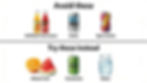
Hydrating with pure water refreshes your body and clears the path for healthier habits.
5. Limit Condiments and Sauces That Sneak in Sugar
Condiments like ketchup, barbecue sauce, and salad dressings often contain added sugars to enhance flavor and shelf life. For example, just one tablespoon of ketchup can have about a teaspoon of sugar. These small amounts add up quickly, especially when used liberally on meals like burgers or sandwiches.
Dr. Uma Naidu highlights, “In a single serving of ketchup... you end up having approximately three teaspoons of sugar.” This revelation challenges common assumptions and encourages mindfulness.
Being mindful here can make a big difference. Choosing low-sugar or no-sugar-added versions, or making your own sauces at home with fresh ingredients and spices, can help you control your sugar intake.
Action Step: Check labels on your favorite condiments and sauces. Experiment with homemade alternatives using herbs, spices, vinegar, and mustard to add flavor without the sugar.

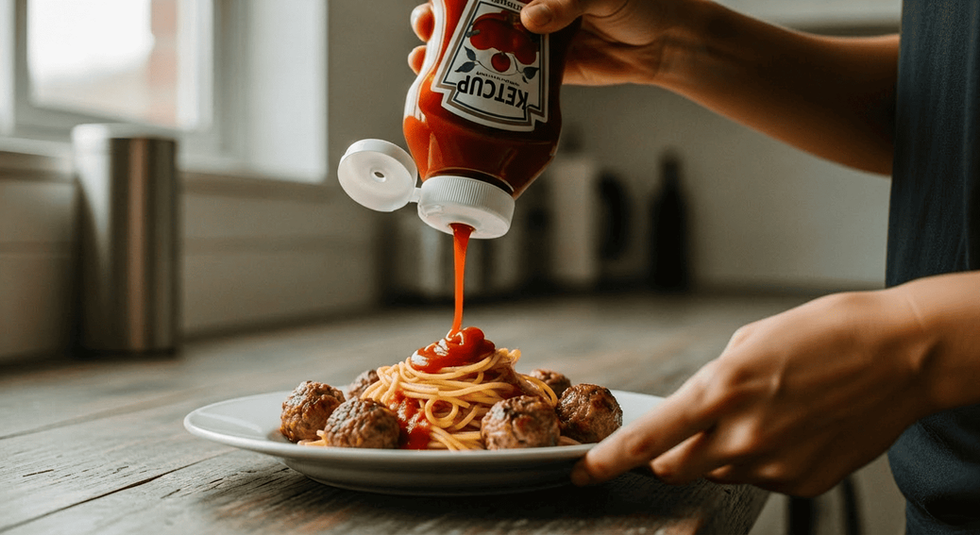


Small swaps in your kitchen can lead to big wins in your sugar journey.
6. Understand the Difference Between Natural and Added Sugars
Not all sugars are harmful. Natural sugars found in whole fruits and vegetables come packaged with fiber, vitamins, and minerals that slow sugar absorption and support your health. In contrast, added sugars are those introduced during processing or preparation and can contribute to health issues when consumed in excess.
For example, a banana’s natural sugar is balanced by fiber, while a fruit juice concentrate added to a snack bar is a concentrated sugar source without fiber.
Action Step: Focus on enjoying whole fruits and vegetables rather than fruit juices or processed foods with added fruit concentrates. This helps you benefit from natural sugars while avoiding the pitfalls of added sugars.

Embracing nature’s sweetness nurtures your body and soul.
7. Gradually Reduce Sugar to Ease Withdrawal and Cravings
Sugar can be addictive, activating the brain’s reward centers similarly to substances like cocaine and heroin. Dr. Ken Barry explains, “Sugar activates the same reward centers in the brain as cocaine and heroin.” When you reduce sugar intake, you might experience withdrawal symptoms such as irritability, headaches, fatigue, and cravings lasting from a few days to two weeks.
Understanding this process helps you prepare mentally and emotionally. Dr. Ken Barry encourages, “Stop being a sugar addict and also stop denying it. Trust me, you can [stop sugar]. On the other side of that addiction and that withdrawal process is your good health.”
Action Step: Start by cutting out the most obvious sources of added sugar, like sodas and candy. Then, progressively reduce hidden sugars by swapping processed foods for whole foods and reading labels carefully.

Patience and self-compassion are your allies on this transformative path.
8. Use Alternative Flavorings to Satisfy Your Sweet Tooth
You don’t have to give up flavor or enjoyment. Spices like cinnamon, nutmeg, and vanilla extract can add natural sweetness and depth to your meals without added sugar. For example, sprinkling cinnamon on plain yogurt or oatmeal can satisfy cravings and reduce the need for sugary toppings.
Experimenting with these alternatives can make your journey enjoyable and creative.
Action Step: Keep a small collection of natural spices and extracts in your kitchen. Use them to enhance homemade recipes and reduce reliance on added sugars.

Discovering new flavors awakens your palate and supports your health goals.
9. Monitor Portion Sizes and Be Mindful of Starch-to-Sugar Conversion
Many foods high in starch, such as bread, pasta, rice, and potatoes, break down into sugar during digestion. For example, two slices of whole wheat bread can equal about 4-5 teaspoons of sugar once metabolized. While these foods are not “added sugar,” consuming them in large amounts can still impact your blood sugar levels.
Being mindful of portion sizes and balancing starches with fiber, protein, and healthy fats can help manage glucose spikes and reduce cravings.
Action Step: Pay attention to serving sizes, especially for starchy foods. Pair them with vegetables and proteins to slow sugar absorption and maintain steady energy.

Balance and moderation create a foundation for lasting well-being.
Embrace Your Journey with Compassion and Hope
Navigating the world of hidden sugars can feel overwhelming at times, but every small step you take toward awareness and healthier choices is a victory worth celebrating. Remember, this journey isn’t about perfection, it’s about progress, self-compassion, and reclaiming your well-being one mindful decision at a time.
You’ve learned how sugar hides in unexpected places, from condiments like ketchup to seemingly healthy snacks and drinks, and how reading labels carefully can empower you to make better choices. Choosing whole, unprocessed foods, drinking water instead of sugary beverages, and understanding the difference between natural and added sugars are powerful tools that support your health and vitality.
As Robert Lustig reminds us, “On the other side of that addiction and that withdrawal process is your good health.” His words echo both the urgency and the hope we all need: “Sugar is playing hide and seek with you... but every time you don’t find added sugar, you win!” These truths invite you to approach change with patience and compassion, allowing yourself the time and grace to build new, lasting habits that lead you back to genuine well-being.
A Gentle Invitation to Your Next Step
If this article has sparked new awareness or inspired you, consider saving it for future reference or sharing it with someone who might benefit from this knowledge. Feel free to leave a comment with your thoughts, questions, or experiences, your voice matters and can encourage others on their path.
And if you’re ready, take one small, pressure-free step today: maybe it’s swapping soda for water, checking the label on your favorite snack, or simply pausing to reflect on your relationship with sugar. Every mindful choice is a step toward greater health and happiness.
Remember, you are not alone, and every effort counts. Be gentle with yourself, celebrate your progress, and know that a healthier, more vibrant you is within reach.